
A quiet exploration of Mt. Fuji across distance.
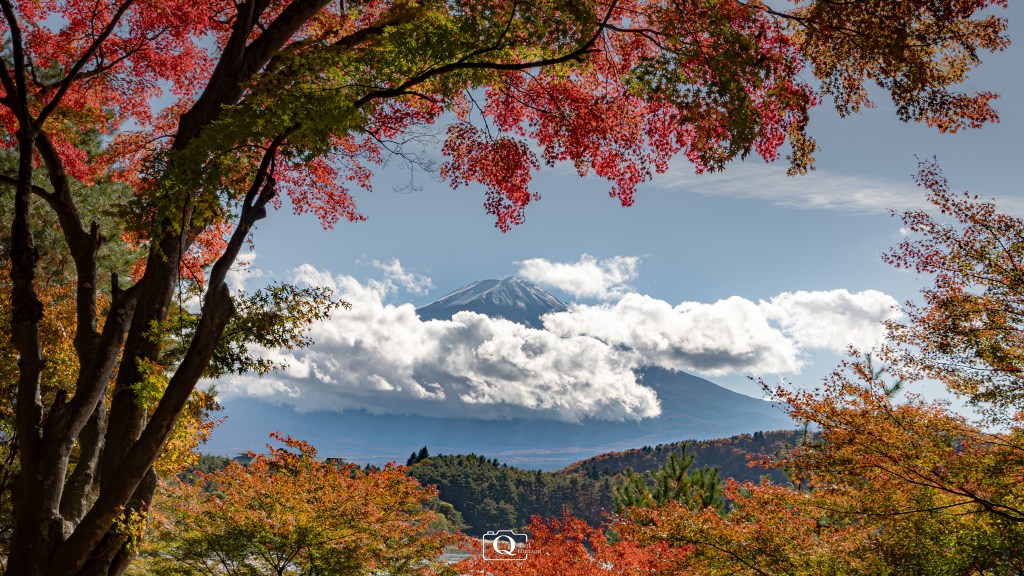
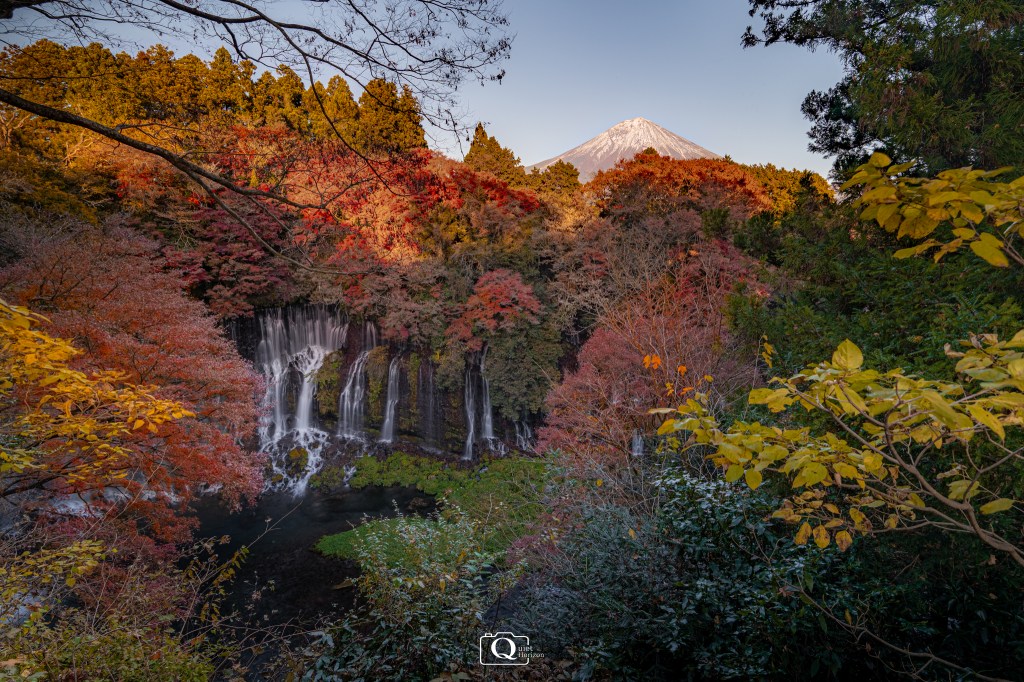
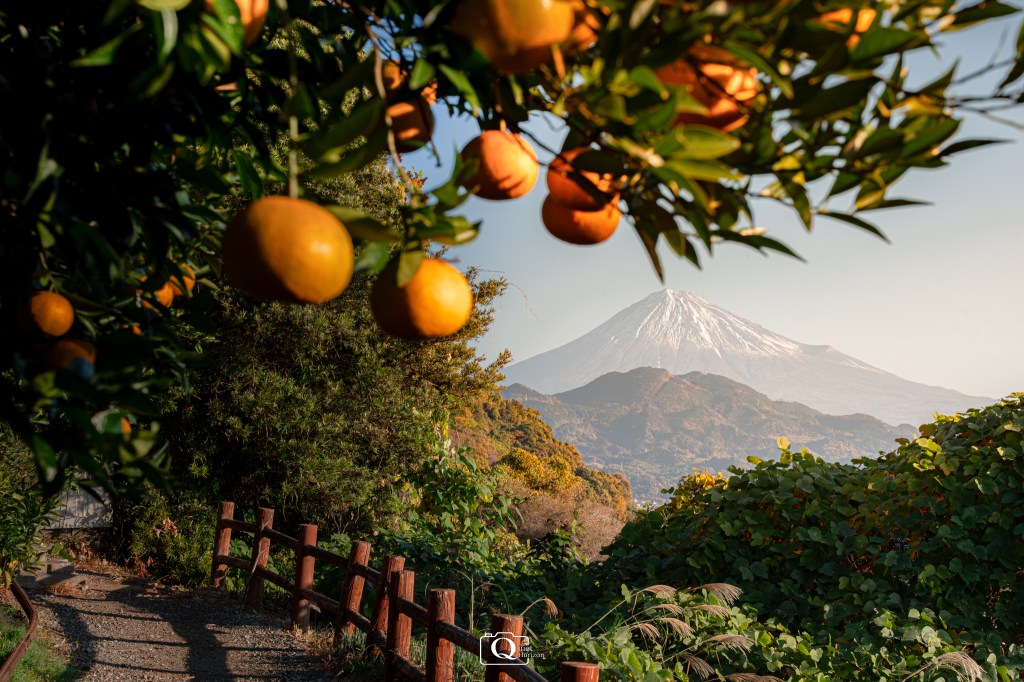
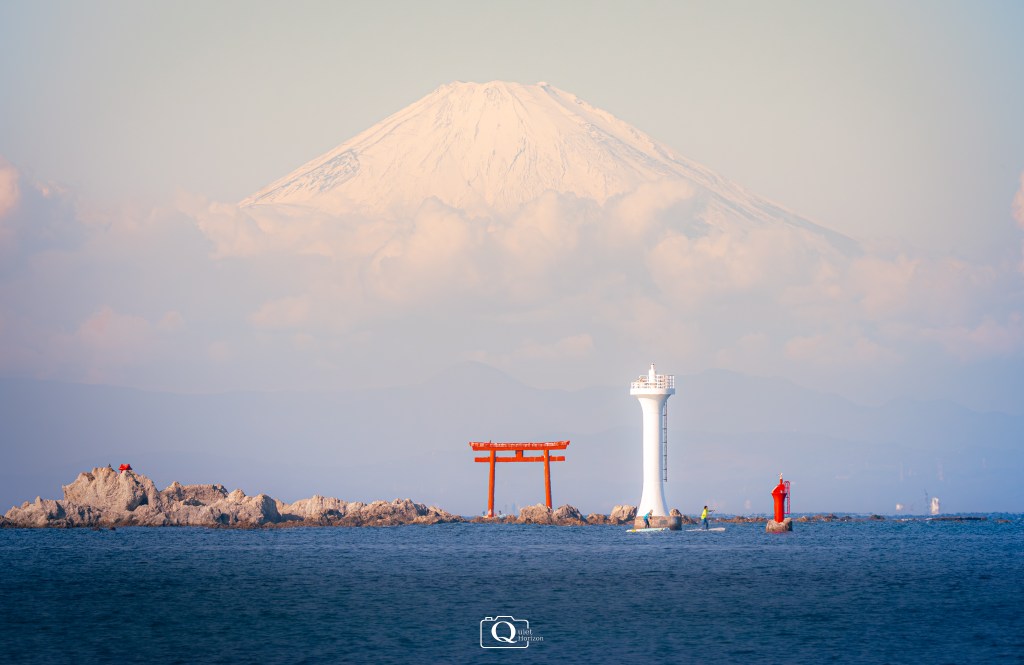
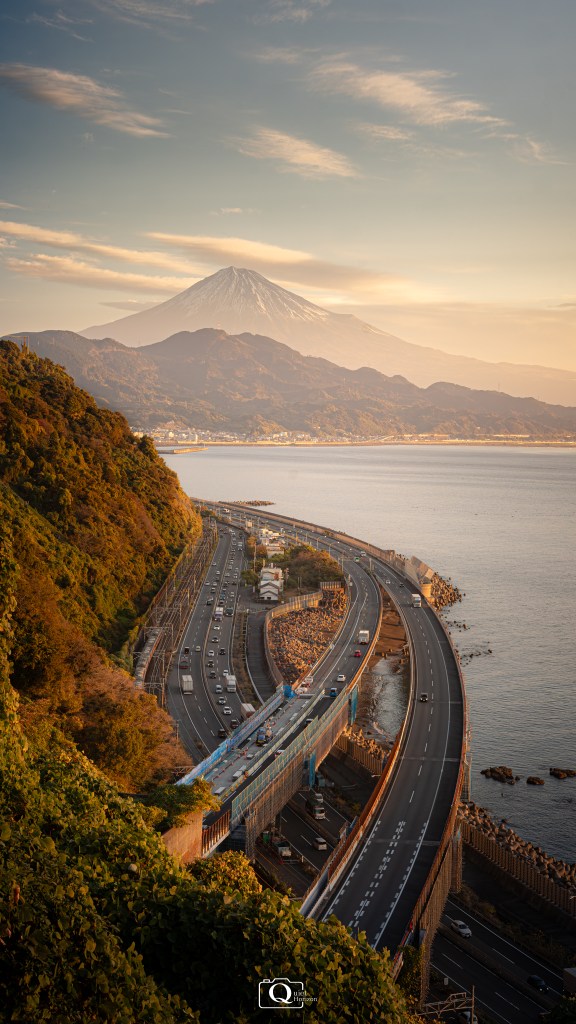
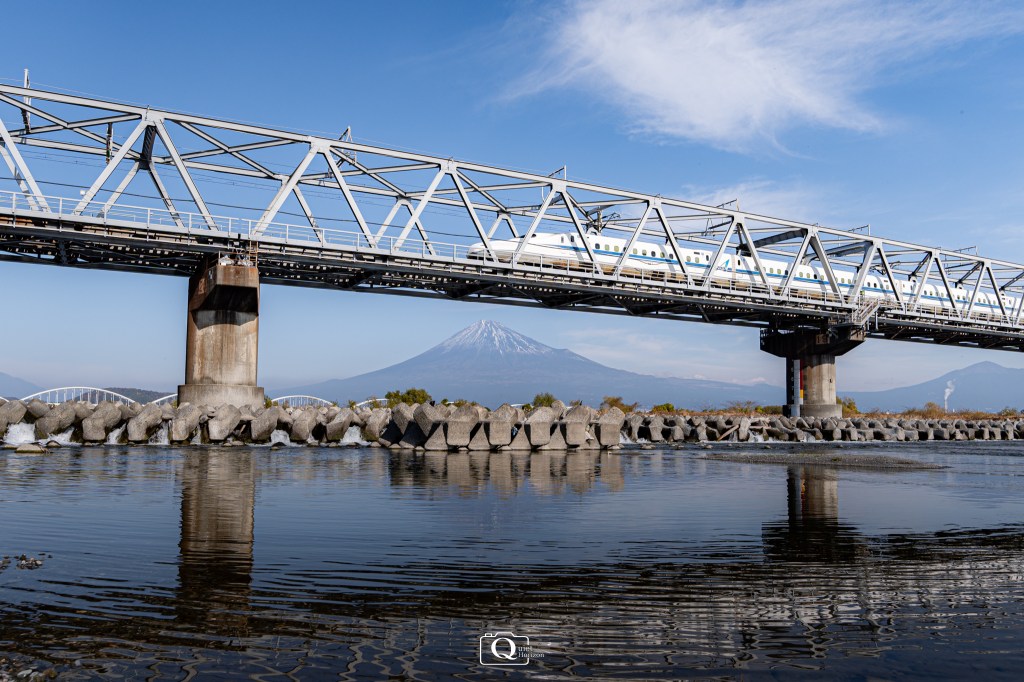
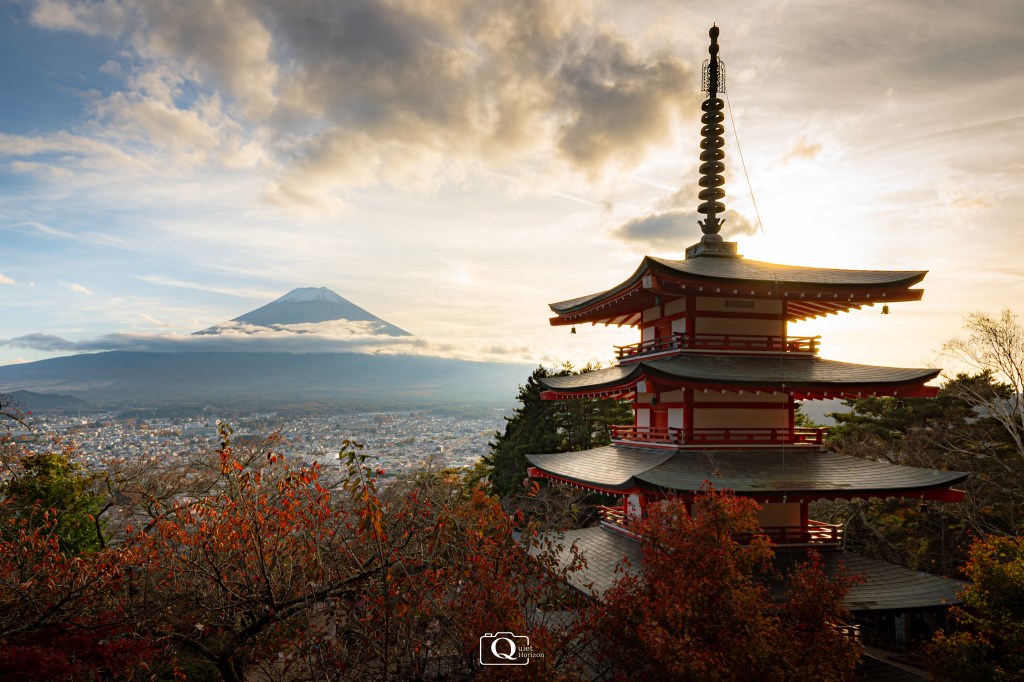
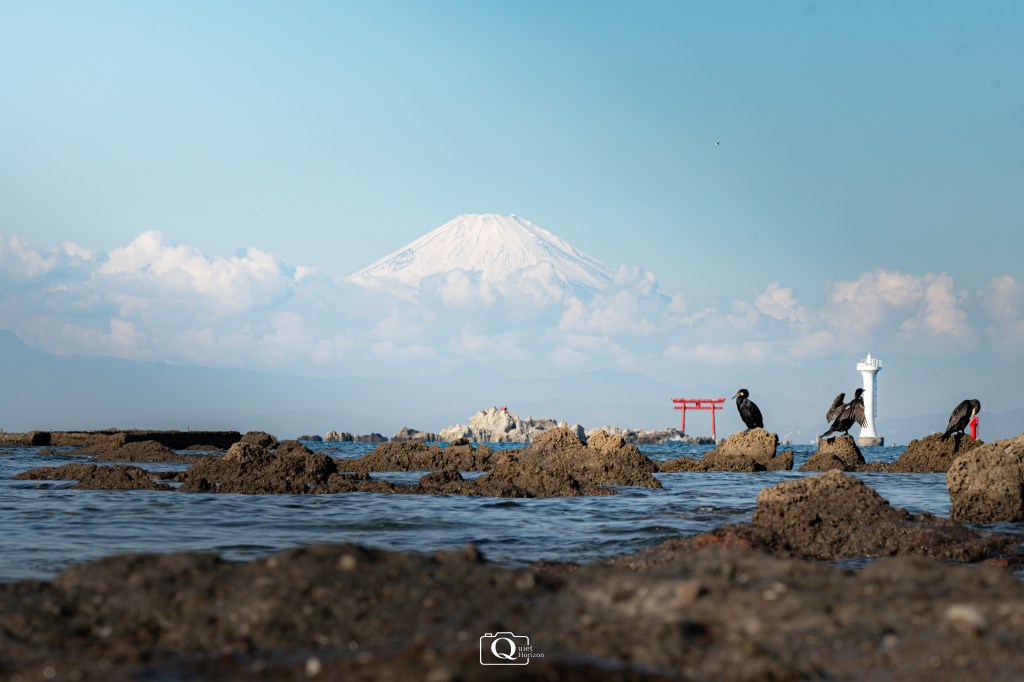
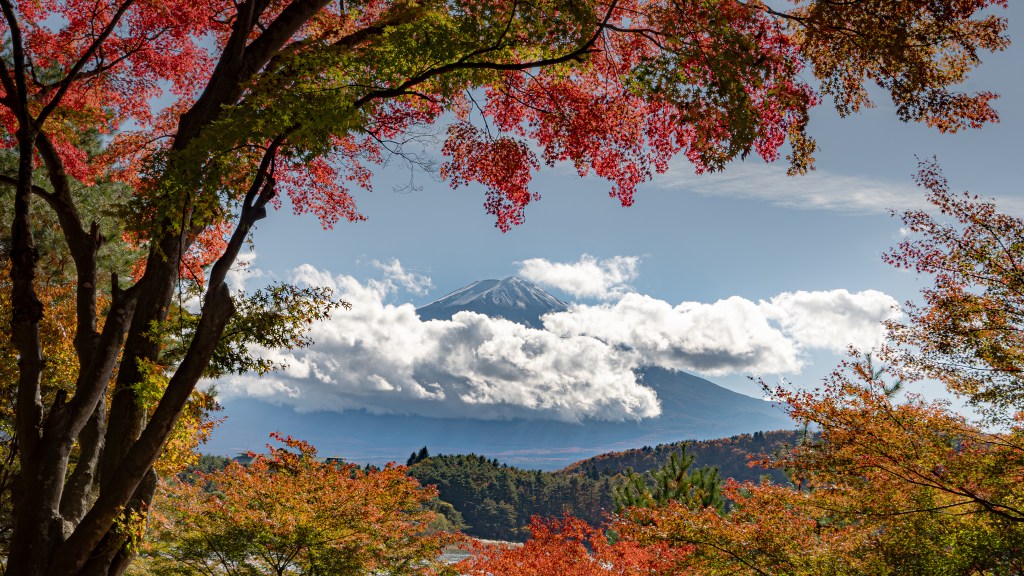
Mt.Fuji is one of the most iconic landmarks in Japan and possibly in the world. As a Japan enthusiast and a landscape photographer, it is my inspiration to craft photos of different sceneries with Fuji. Hence, I have decided to go on a journey to take different Fuji sceneries. Since November 2024, I have been to Japan twice for Mt. Fuji hunting. Although I there are times that I just could not see Mt. Fuji at all, I still manage to take amazing photos of Mt. Fuji which in turn have broaden my perspective. Being a Japanese maniac, the trips I taken is a wonderful experience for me.
When taking photos of Mt. Fuji, one of the questions that I have in my head is
Do I want Mt.Fuji as a subject or as a background?
Most people tend to believe that “Oh, since I’m taking photos of Mt.Fuji, I would want Mt.Fuji as a subject!” That is not always the case here. Sometimes, it is better to have Fuji as a background to enhance the subject.
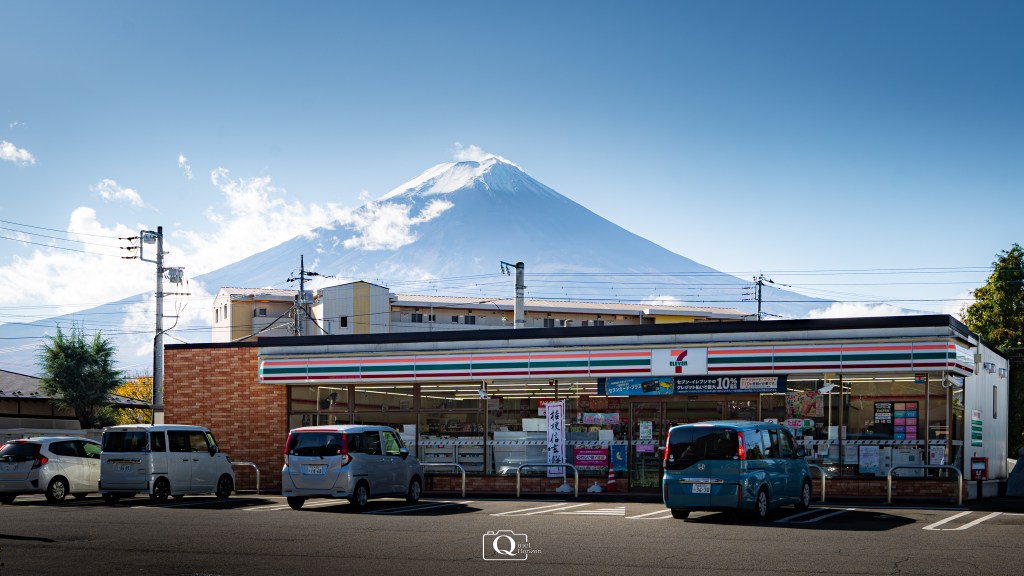
This photo here is a prime example of where you do not want Fuji as a subject. The convenient store 7-11 simply blocks the Fuji overall which doesn’t make Mt. Fuji look great. Meanwhile the intensity and contrast in color of 7-11 makes 7-11 stands out as a subject. Other examples include.
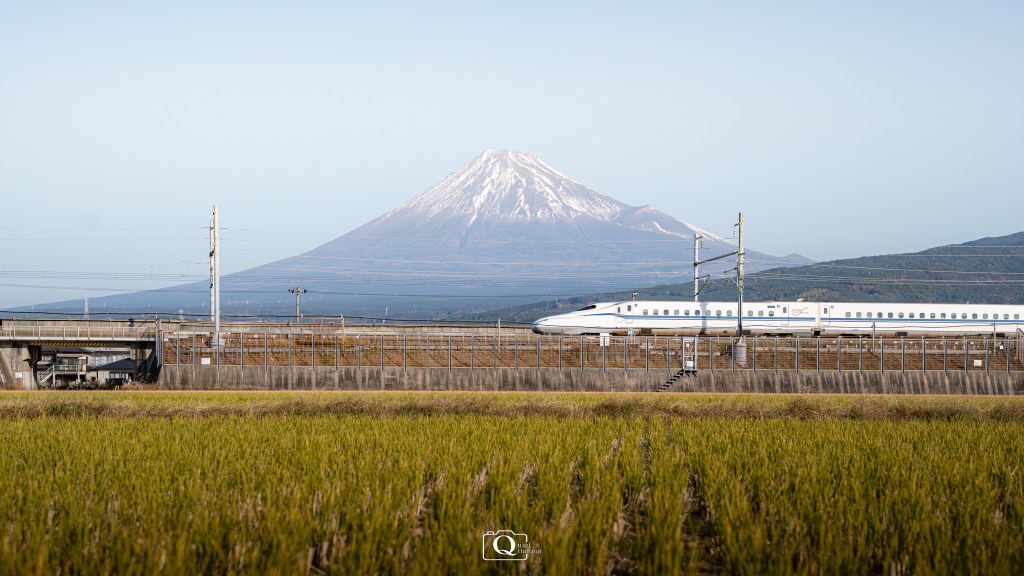
As you can see in the above 2 photos, the subject isn’t Fuji itself, but rather the Shinkansen train and the Torii Gate. However, this is not to say that Fuji cannot be the subject in all cases. There are examples of Mt.Fuji being the subject would definitely stand out.
As you can see here, Fuji is the subject and the other components acts as a frame.
Personally, I felt that Mt.Fuji itself is dull. It’s plain in color, not a lot of signature signs that differentiate from other mountains. For me, to take stunning photos of it, these are the key elements we have to consider.
Here are some examples of the above concept.
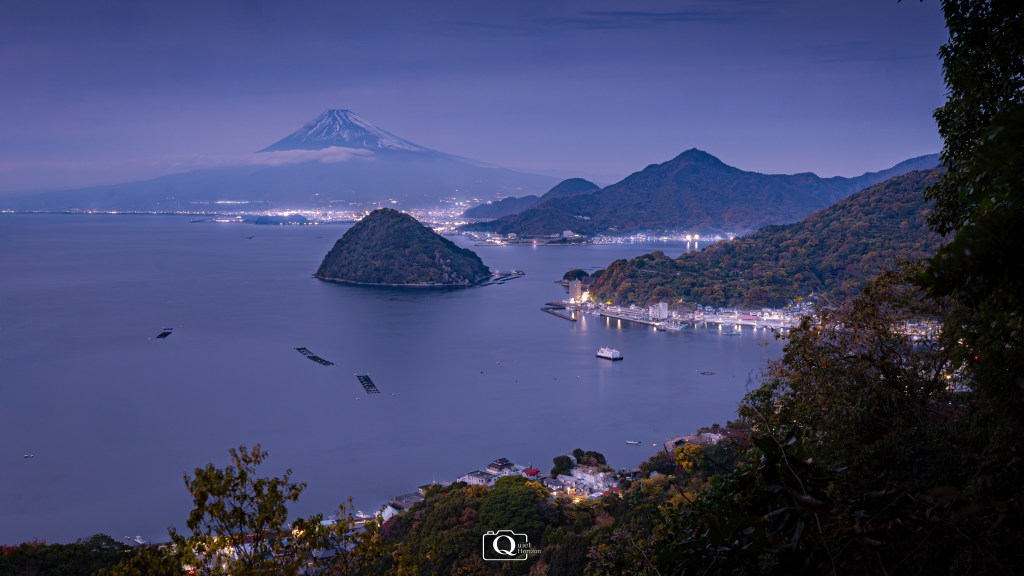
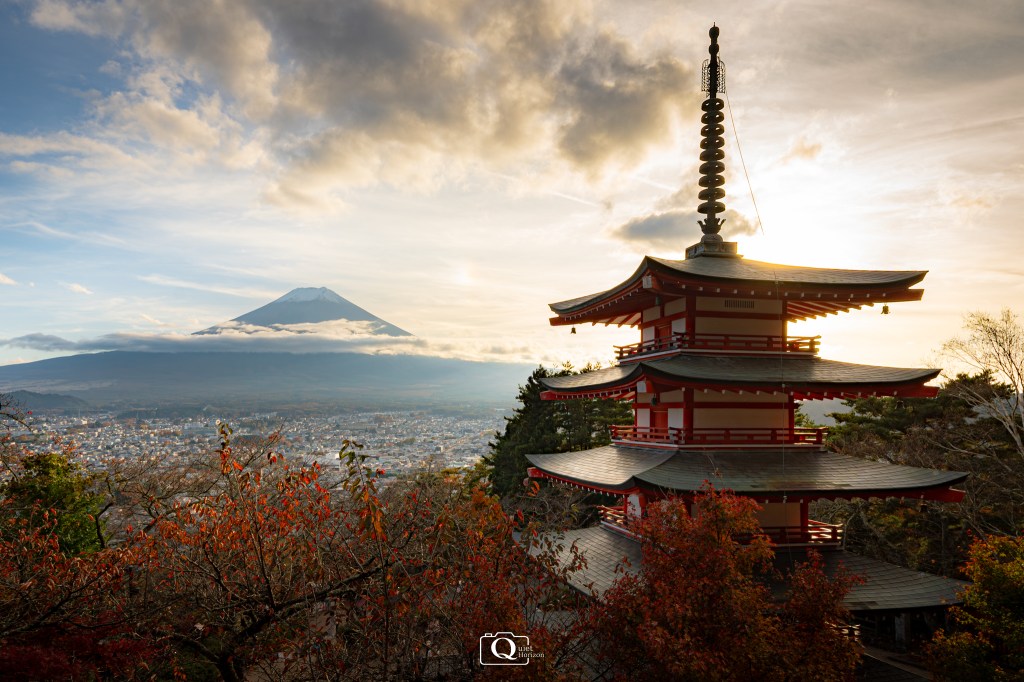
You can consider multiple elements at once or just one element at a time.
Personally, I felt that light is not that important in when taking photos of Mt.Fuji. You do not have to wait for twilight times for your photos to be stunning. Although it definitely does help enhance your photo.
Aside from photography tips above, you also need to know how to edited these photos as well. This is up to your own taste combine with sufficient reasoning. One key point remember is if you are a traveller intending to take photos of Mt.Fuji, you should plan your trip very carefully. This includes:
This requires meticulous planning. Luckily, I went with a friend who’s did plan this in detail so I was able to experience joy.
You can definitely reach most locations of Mt. Fuji by car easily. However, there are some places such as Uchiura Omosu Observational Deck that required a 30-min on a steep slope. Overall, you don’t have to be physically fit for the trip.
My journey around Mt.Fuji has been very satisfying. I was able to take a lot of photos of Fujiscape. While the photo itself is very satisfying, the view I saw is even better. As stated:
The best camera lens is our own eyes
 Quiet Horizon